Google Vids adds avatars, LM Studio goes local: July 17
Google Vids adds personal avatars, Gemini Notebook gains code, and LM Studio Bionic brings private AI work onto your own computer.
This sheet contains partner links. A purchase through one earns Runbook a commission at no additional cost to you. How we make money.
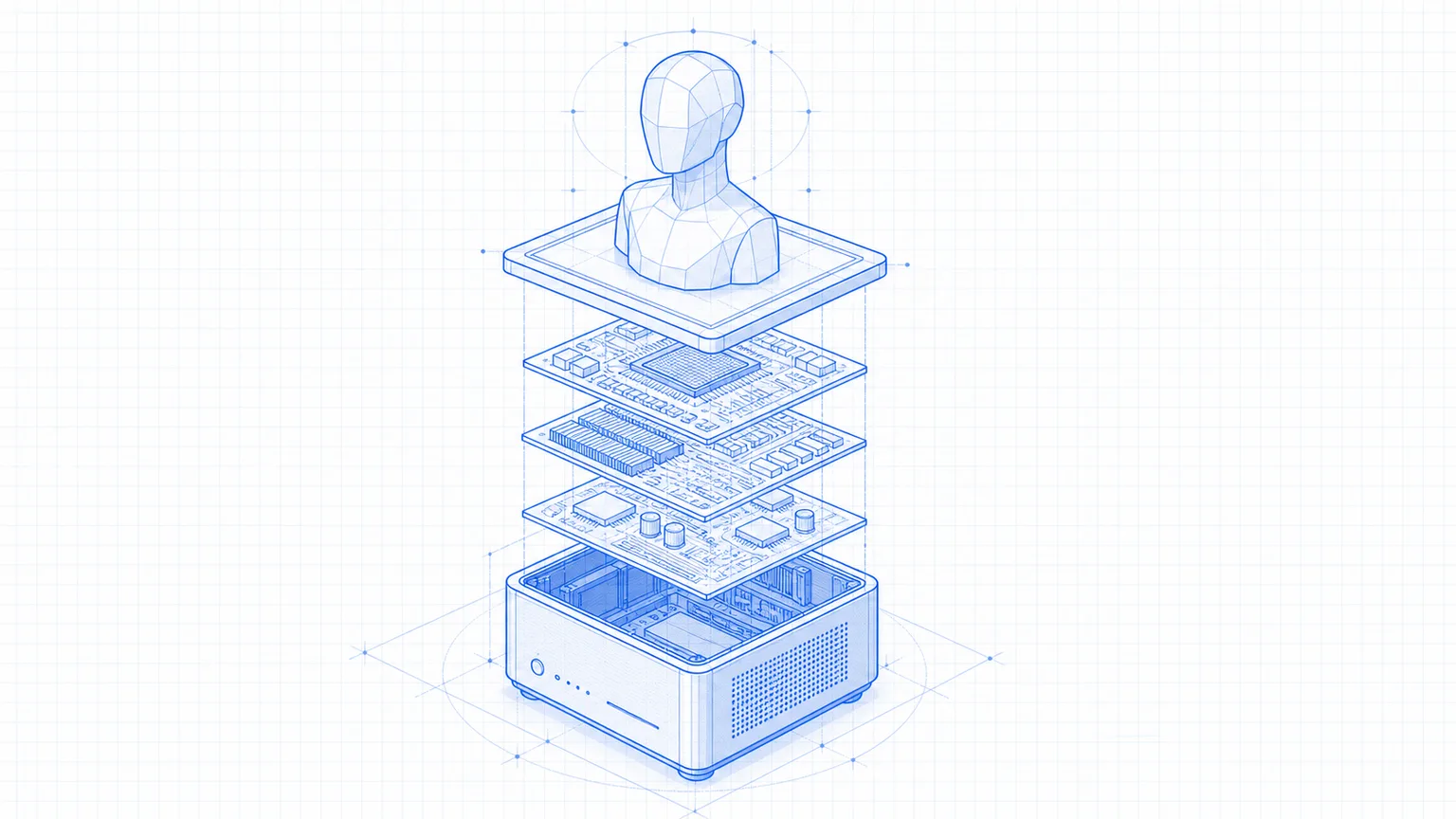
Google put a camera-free presenter inside Vids, gave Gemini Notebook a computer for analyzing files, and let Search send work into connected apps. LM Studio took the opposite route by putting an AI worker on your own machine. In 30 minutes, you can test the useful parts without handing any system a live customer job.
Google Vids adds personal avatars and prompt editing
Google Vids gained two production features on July 16. The official Vids announcement says Gemini Omni can create a clip from written instructions and reference images, then change a generated or phone-shot clip when you describe an edit. Personal avatars turn a selfie and short voice recording into a digital presenter that reads your script.
This can remove the repeated filming step from internal updates, product explanations, and simple social videos. It also puts another avatar option inside Google Workspace, the collection of business tools that includes Gmail and Drive. Google says the features are available to AI Pro and Ultra subscribers and Workspace business customers. Avatar access is limited by region, and the likeness stays tied to its account holder.
Your move
Open Google Vids and make a 20-second internal update, not a public ad. Upload one approved product image, ask Omni to create a supporting clip, then use the editing box to change the background or lighting. If Personal avatars appears, record a neutral script and compare it with a phone recording. Check the words, mouth movement, and brand details before deciding whether it replaces a filming step.
Every generated clip carries Google's invisible SynthID marker, a digital label that identifies AI-made media. Keep a person on final approval anyway. For a wider buying check, compare the output and total editing work with the existing avatar video options and the AI voice and video build lane.
Gemini Notebook can run code against your sources
Google renamed NotebookLM to Gemini Notebook on July 16 and added a secure cloud computer. The Gemini Notebook announcement says the tool can now write and run code, meaning instructions a computer executes, to analyze information grounded in the files you supply. It is available now for AI Ultra users and certain Workspace business plans, with Pro access due on the web over the coming weeks.
The useful change is analysis, not the new name. A notebook holding survey results, sales exports, or research can now calculate and organize answers instead of only summarizing text. But a secure cloud computer is still someone else's computer. Strip out names, email addresses, payment details, and private notes before upload.
Create a notebook from a copied, anonymous spreadsheet. Ask for totals by month and a list of rows that do not fit the normal pattern. Compare both against the spreadsheet before using the result. This belongs beside your AI stack setup checklist, not in place of the system that stores the approved numbers.
LM Studio Bionic puts an AI worker on your computer
LM Studio released Bionic on July 16 as a separate app for running open models, which are AI systems whose working files are available for others to inspect or operate. The Bionic launch post says it can work across documents, presentations, spreadsheets, folders, and software projects. You can run a model on your own computer or use LM Studio's cloud for heavier jobs.
Local operation gives you a useful privacy boundary for sensitive drafts and files. Bionic also offers voice typing processed on your device, automatic checkpoints you can roll back, and a protected work area that limits which files it can touch. The cost is ownership: someone must choose models, check hardware limits, and review every file change. If nobody owns that job, ignore this launch.
Install it only on a test computer. Create a new folder with copied, non-sensitive campaign documents, connect that folder as a Work project, and ask Bionic to produce a one-page summary. Review its file list and rollback checkpoint before allowing a second task. The same human-approval rule applies across the AI automation tools comparison.
Google Search connects directly to Canva and other apps
Google began rolling out connected apps in US AI Mode on July 16. AI Mode is Google's chat-style search screen. The Search announcement names Canva, Instacart, and YouTube Music as early connections. A search can now find Canva flyer templates and pass the user toward making one without a separate search through Canva.
For an owner, this is a discovery warning. Customers may begin a job in Search and finish it inside a connected service, so fewer visits reach a vendor's normal website. Do not rebuild around three early partners. Instead, document which search questions currently lead customers to your highest-value pages, then check those questions monthly in AI Mode. Pair that watchlist with the Google AI Overviews content build.
On the bench
- Test whether Gemini Notebook's calculated totals match a spreadsheet formula across ten deliberately messy rows.
- Watch which business apps join Search next. A connection to booking, customer records, or payments would create a much larger wiring decision.
- Compare one Bionic local-model task with the same task in its cloud mode, recording time, output quality, and what data leaves the computer.
Get the next build in /articles.
About Runbook
AI tools and automation builds for marketers. What to use, how to wire it, and the workflow to copy this week. How we work
GET THE NEXT DISPATCH
Run the next build before your competitors read about it.
One short email when an AI tool or automation actually changes the work, with the build to copy.
No send unless there is a build worth running.
// keep_reading
Related builds
Gemini 3.8 Live and Meta One: Sept. 16 dispatch
Gemini 3.8 Live upgrades voice agents, while Meta One puts business AI behind new plans. Here are today's four stack changes and wiring moves.
ChatGPT Data lands, Slack builds dashboards: Sept. 11
ChatGPT Data connects business records, Slack builds channel dashboards, and Gemini reaches Windows. Here is what to wire and test today.
Gemini 3.7 Flash, Writer cuts agent costs: Aug. 14
Gemini 3.7 Flash, Writer cost controls, Sheets canvas, and Suno Studio 2.0 change what you route, cap, report, and produce.